



m

Blog

Key Features to Consider When Purchasing an Air Compressorˀ

1. Type of Air Compressor

  • Piston (Reciprocating) Compressors – Suitable for intermittent use and small-scale applications.
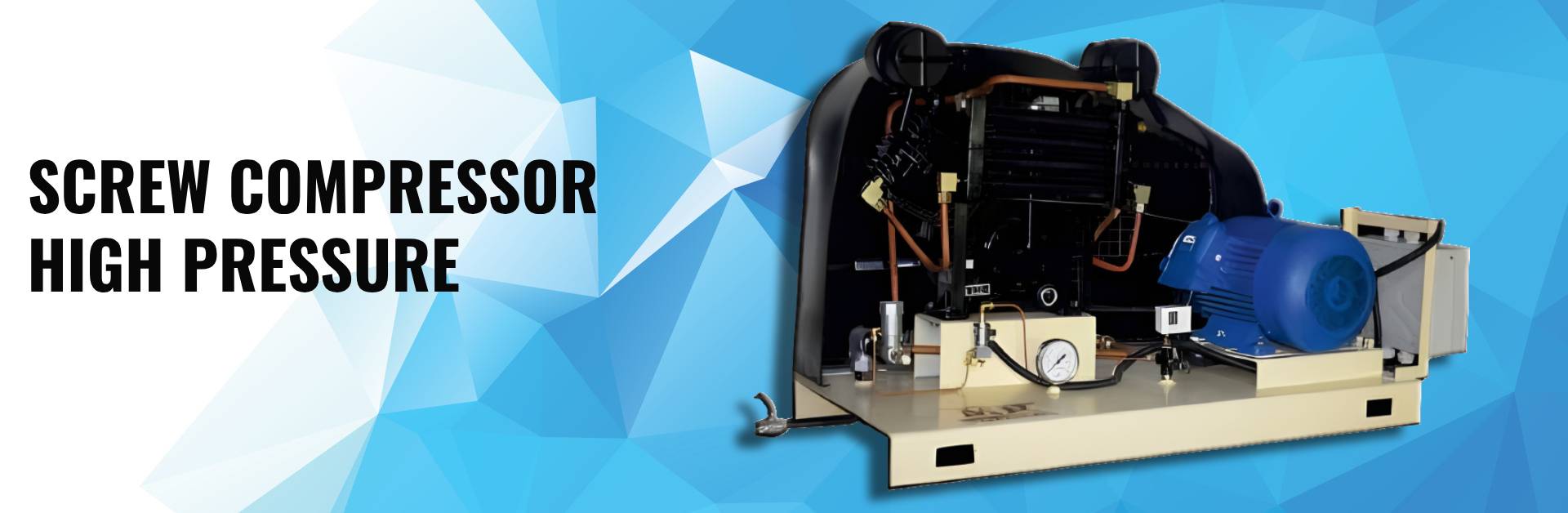
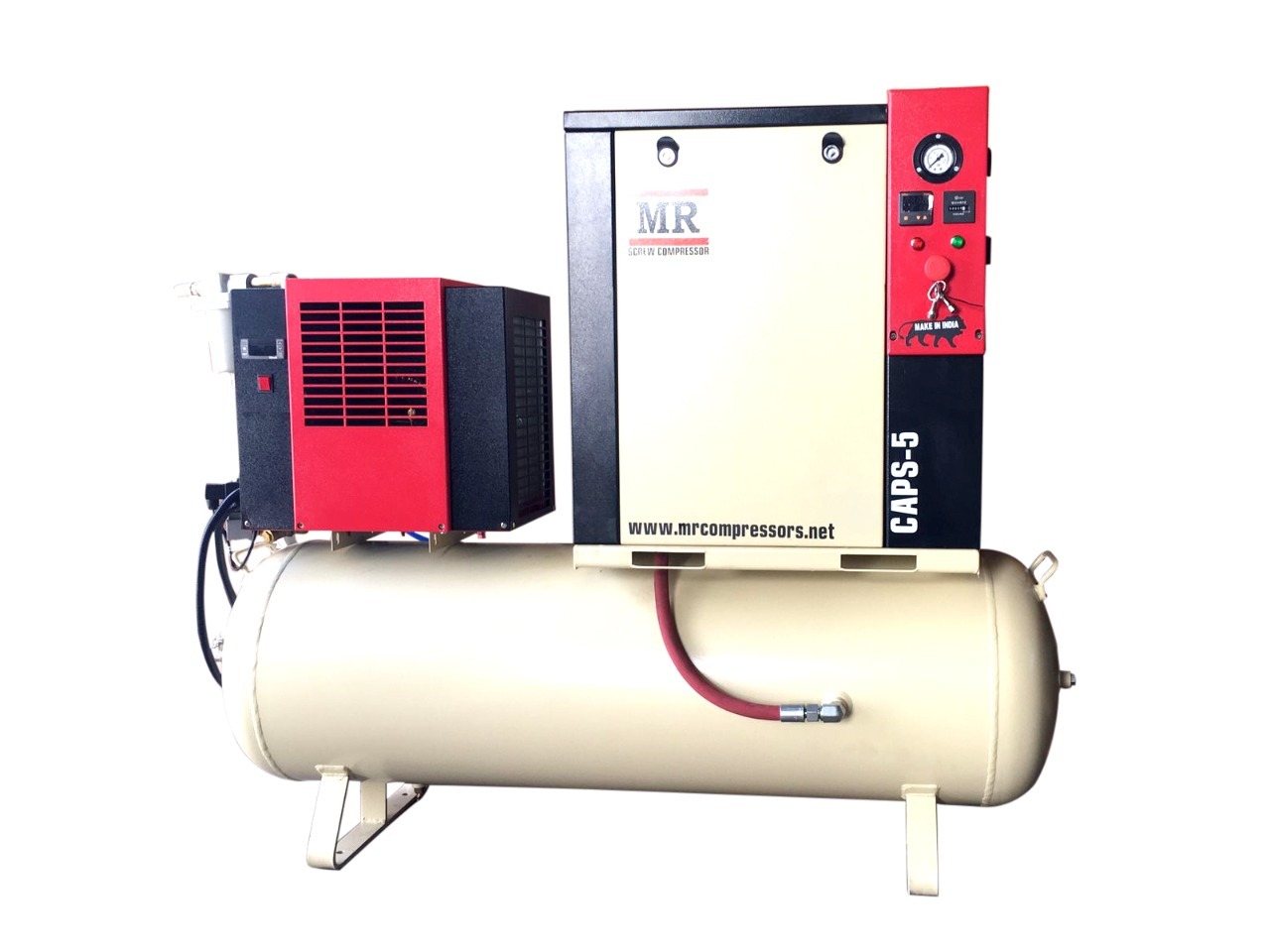
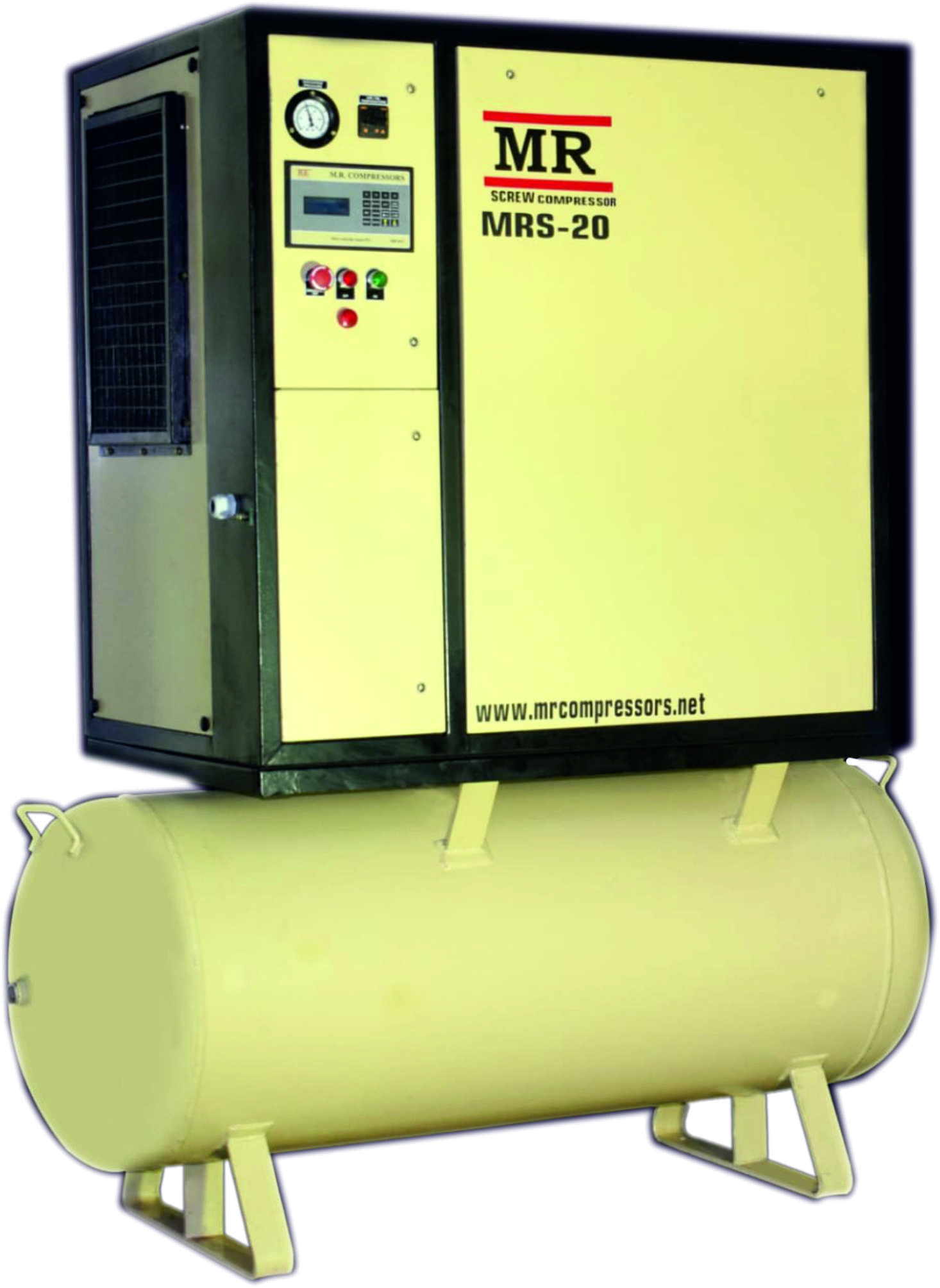
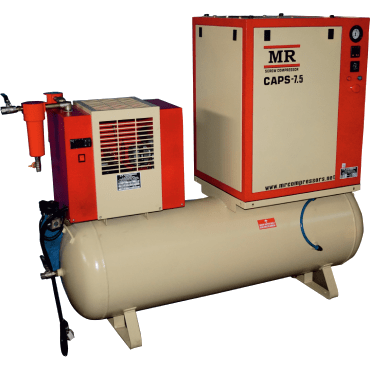
  • Rotary Screw Compressors – Ideal for continuous operation in industrial settings.
  • Centrifugal Compressors – Designed for high-volume applications with consistent airflow.

Whether you are looking for a manufacturing partner for a new project or a secondary supplier to provide additional capacity, we are here for you.

2. Air Pressure (PSI – Pounds per Square Inch)

  • Different tools and applications require varying pressure levels.
  • Ensure the compressor delivers adequate PSI to meet your operational needs.

3. Air Flow Capacity (CFM – Cubic Feet per Minute)

  • CFM measures the amount of air the compressor can supply.
  • Choose a compressor with sufficient CFM to power your tools and equipment efficiently.

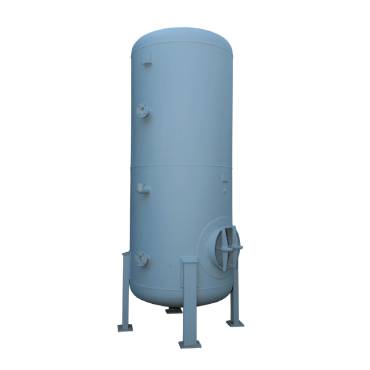
4. Tank Size

  • Measured in gallons (L), a larger tank provides a longer air supply for high-demand tasks.
  • For continuous operations, opt for a larger tank capacity to avoid frequent cycling.

5. Power Source (Electric vs. Gas-Powered)

  • Electric Compressors – Best for indoor use, quieter, and require minimal maintenance.
  • Gas-Powered Compressors – Suitable for outdoor or remote locations where electricity is limited.

6. Oil-Free vs. Oil-Lubricated

  • Oil-Free Compressors – Require less maintenance, are lighter, and ideal for clean air applications.
  • Oil-Lubricated Compressors – More durable and suitable for heavy-duty industrial use.

7. Noise Level (dB – Decibels)

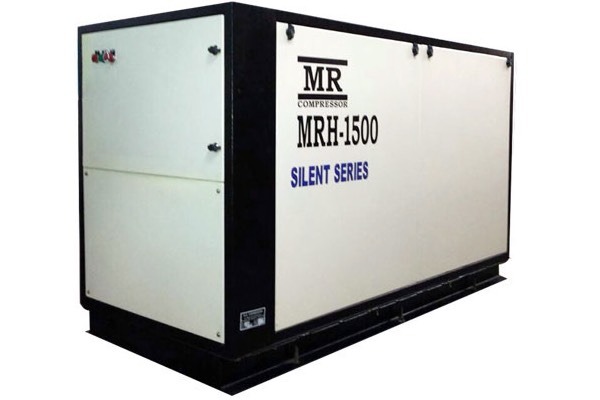
  • If working in noise-sensitive environments, opt for low-noise models with insulated enclosures.

8. Portability & Space Considerations

  • Stationary Compressors – Large and powerful, suited for industrial applications.
  • Portable Compressors – Lightweight and easy to transport, ideal for fieldwork and small workshops.

9. Energy Efficiency

  • Variable Speed Drive (VSD) Compressors help reduce energy consumption by adjusting output to demand.
  • Look for energy-efficient motors to lower operating costs.

10. Advanced Features & Controls

  • Smart Compressors – IoT-enabled for remote monitoring and predictive maintenance.
  • Automatic Drain System – Helps in removing excess moisture from the tank.
  • Thermal Protection & Safety Features – Prevents overheating and ensures long-lasting performance.

11. Warranty & After-Sales Support

  • Ensure the compressor comes with a comprehensive warranty and reliable customer support.
  • Availability of spare parts and service centers is crucial for long-term usage.

Final Thoughts

By evaluating these key factors, you can select an air compressor that aligns with your specific needs, ensuring efficiency, durability, and cost-effectiveness. Whether for manufacturing, automotive, construction, or home use, investing in the right air compressor will enhance productivity and performance.

Post a comment

Your email address will not be published. Required fields are marked *